Why Adding Salad Dressing Too Early Is the Real Reason It Goes Soggy, Not the Greens
A soggy, wilted salad usually gets blamed on the wrong type of lettuce, but the actual cause in most cases is far simpler: the dressing was added too early, and salt and acid in dressing start pulling water out of leaves within minutes of contact.

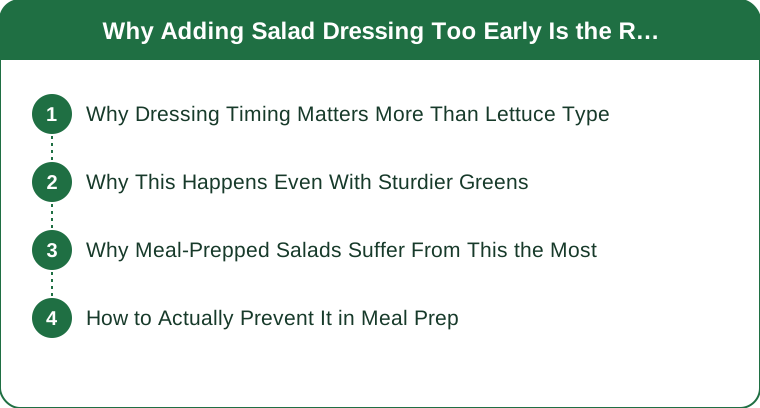
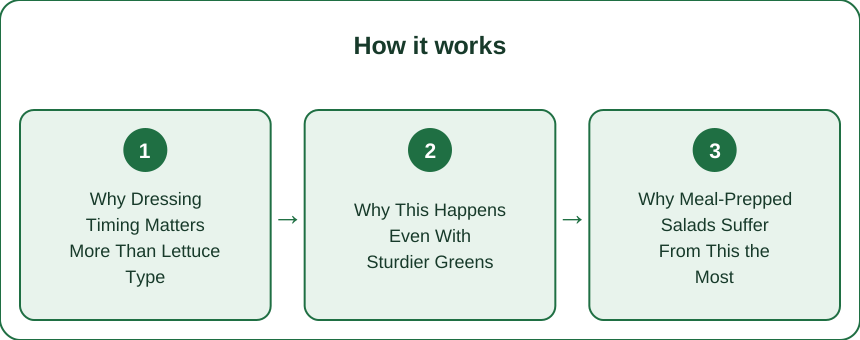
Why Dressing Timing Matters More Than Lettuce Type
The mechanism: salt and acidic ingredients in most dressings, vinegar, citrus, drawing water out of leafy greens through osmosis almost immediately on contact, a process that starts working within minutes regardless of how sturdy the lettuce variety is.
Why This Happens Even With Sturdier Greens
The misconception: even naturally sturdier greens like romaine or kale eventually wilting under dressing contact given enough time, meaning choosing a heartier lettuce delays the sogginess but doesn’t prevent it if dressing sits on the salad for an extended period.

Why Meal-Prepped Salads Suffer From This the Most
The common failure point: salads dressed and then stored in the refrigerator for hours or overnight giving the osmosis process far more time to work, which is why meal-prepped salads dressed in advance consistently turn soggy by the time they’re eaten.
How to Actually Prevent It in Meal Prep
The practical fix: storing dressing in a completely separate container and tossing it with the greens only within a few minutes of eating, or layering heavier ingredients at the bottom of a jar with dressing and greens kept apart until serving, and the frame (dressing contact time, not lettuce choice, is what causes sogginess through osmosis — keeping dressing separate until just before eating is what actually keeps a salad crisp.)
A soggy, wilted salad usually gets blamed on the wrong type of lettuce, but salt and acidic ingredients in most dressings, vinegar, citrus, draw water out of leafy greens through osmosis almost immediately on contact, a process that starts within minutes regardless of how sturdy the lettuce variety is. Even naturally sturdier greens like romaine or kale eventually wilt under dressing contact given enough time, and salads dressed and then stored in the refrigerator for hours or overnight give that osmosis process far more time to work, which is why meal-prepped salads dressed in advance consistently turn soggy by the time they’re eaten. Storing dressing in a completely separate container and tossing it with the greens only within a few minutes of eating, or layering it at the bottom of a jar until serving, keeps a salad crisp in a way that switching lettuce varieties alone never fully solves.
Keep Reading
This article is for general informational purposes only and is not medical advice. Always consult a qualified health professional for guidance specific to you.