Stop Buying Dressing: The Master Ratio and Ten Vinaigrettes From One Formula
Salad dressing is the grocery aisle’s biggest markup on the kitchen’s easiest skill — oil, acid and thirty seconds of shaking — and one ratio unlocks every vinaigrette you’ll ever want. The dressing guide: the master formula, the ten variations and the craft.
The Master Ratio
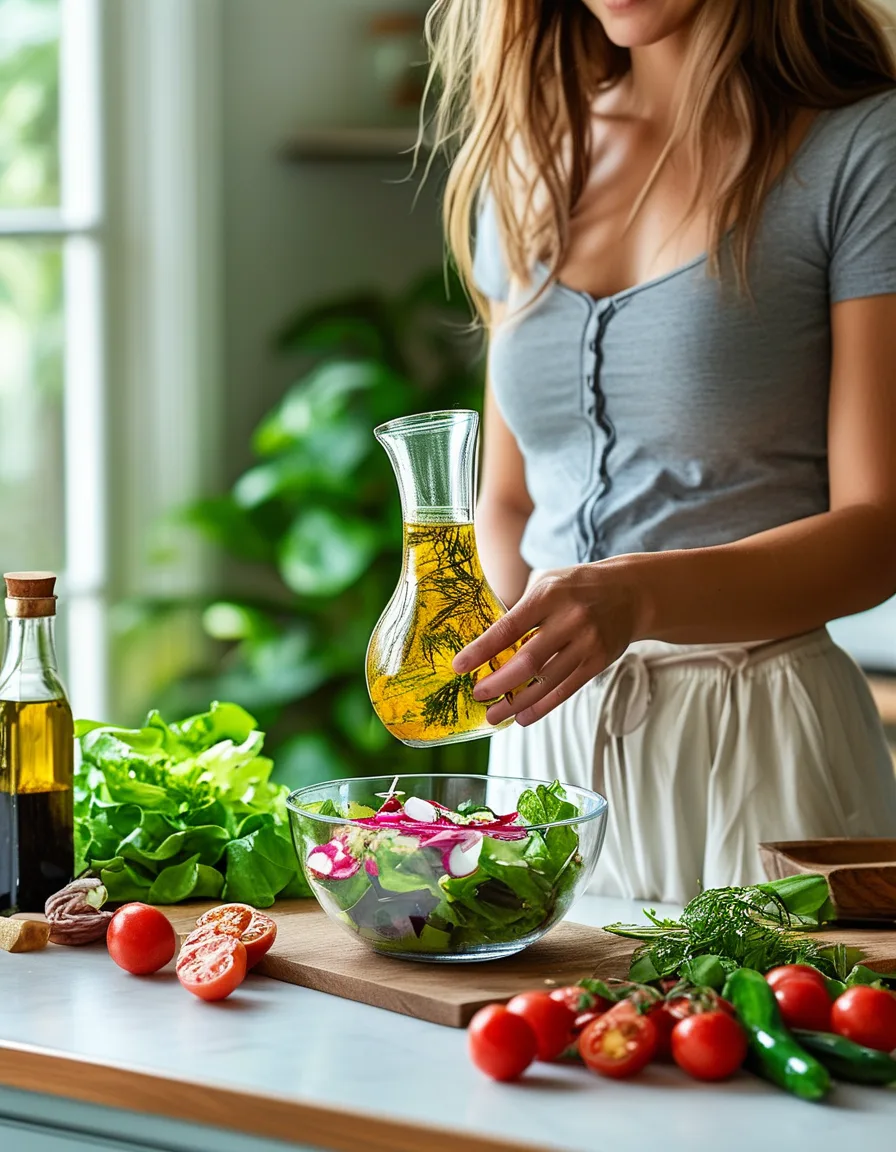
The formula underneath everything: the 3-to-1 foundation (the three parts oil to one part acid — the classic vinaigrette ratio; the 2-to-1 brighter modern lean for the acid-lovers; the taste-and-adjust license), the four components (the oil, the acid, the emulsifier-and-flavor tier — the mustard-honey-garlic trio; the salt-and-pepper floor), the jar method (the everything-in-a-jar shake — the whisk-free emulsion; the week’s dressing made in ninety seconds; the pour-and-store in one vessel per the prep doctrine), the build order (the acid-and-seasonings first, the oil last — the salt dissolved in vinegar, not oil; the small chemistry that improves everything), the tasting protocol (the dressing tasted on a LEAF, not a spoon — the dilution reality; the too-sharp jar fixed with oil or honey, the too-flat with acid or salt), and the cost math (the homemade vinaigrette at a fraction of bottled — the ingredient quality doubled at half the price per the budget doctrine; the no-stabilizers bonus per the label doctrine).
The Ten Variations
One formula, ten personalities: the classic Dijon (the red-wine vinegar, Dijon, shallot — the house-dressing default), the lemon-bright (the lemon juice, garlic, oregano — the Greek-jar companion from the jar doctrine), the balsamic-honey (the syrupy-sweet crowd-pleaser — the harvest-salad partner), the sesame-ginger (the rice vinegar, sesame oil accent, grated ginger and soy — the slaw-and-grain-bowl lane), the honey-mustard (the equal honey-and-Dijon heart — the kid-diplomat dressing per the family doctrine), the herby-green (the blender version with packed herbs — the ranch-adjacent freshness; the herb-rescue use from the waste doctrine), the tahini-lemon (the tahini replacing most oil — the creamy-without-dairy tier from the plant doctrine; the water-thinned consistency craft), the yogurt-herb (the Greek-yogurt base with the acid-and-herbs — the protein-bonus creamy from the protein doctrine), the warm-bacon-or-shallot (the warm-dressing tier for the wilted-greens genre from the warm-salad doctrine), and the maple-apple-cider (the fall jar — the cider vinegar and maple; the seasonal rotation per the seasonal doctrine).
The Craft Details
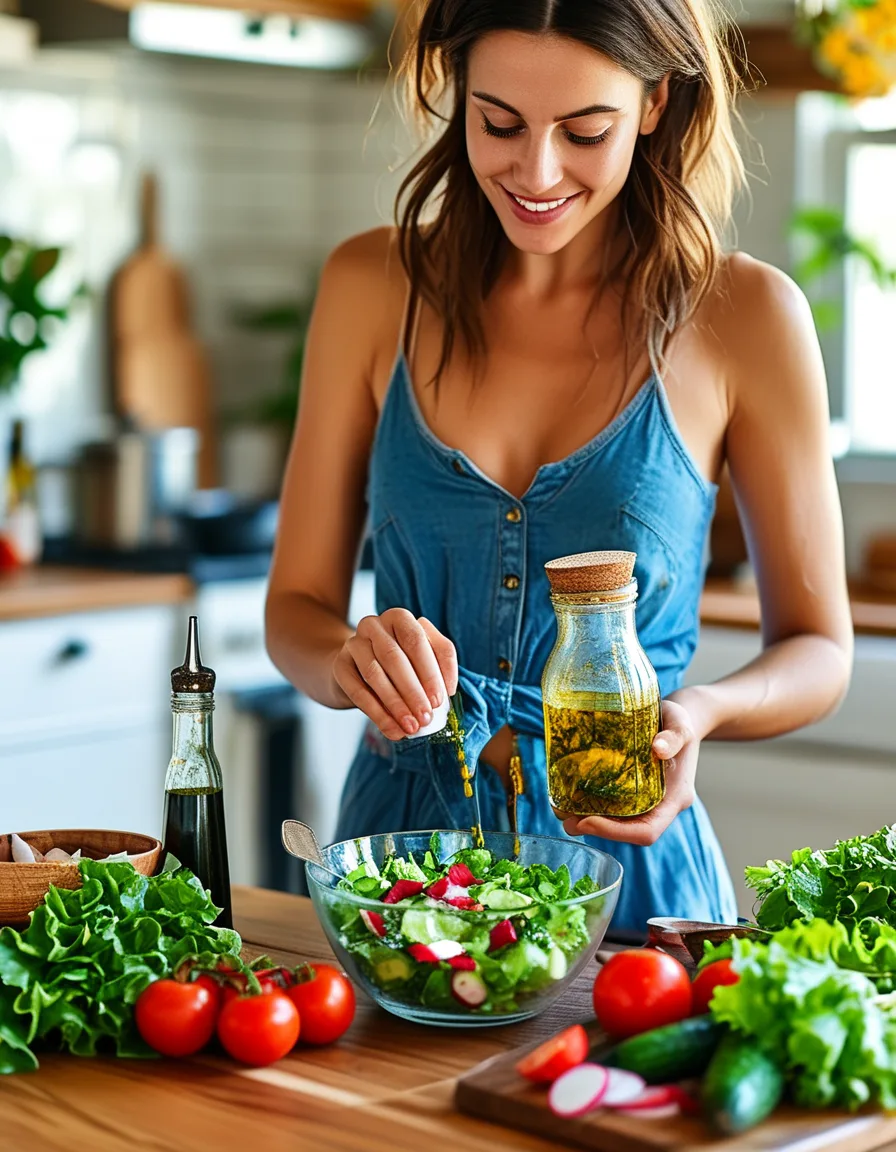
The skills that elevate: the emulsion science (the mustard-and-honey as the binding agents — the shake that holds for days; the broken dressing re-shaken without drama), the oil selection (the everyday olive oil for most — the good bottle from the olive-oil doctrine finishing raw salads; the neutral oils for the Asian-lane dressings where olive fights), the acid library (the vinegar shelf built slowly — the red-wine, rice, cider and balsamic core; the citrus as the fresh-acid tier; the pickle-brine hack from the pickle doctrine), the aromatics handling (the shallot-and-garlic minced fine and mellowed in the acid five minutes — the raw-bite managed; the grated-garlic caution: a little being plenty), the storage rules (the fridge week for most — the olive-oil solidifying being normal: the ten-minute counter warm-up; the dairy-and-fresh-herb versions at three-four days per the freshness doctrine), and the scaling note (the ratio scaling infinitely — the party batch and the single-salad splash from the same formula).
The Kitchen Integration
Dressing as system: the weekly ritual (the Sunday jar alongside the prep session from the prep doctrine — the week’s salads pre-armed; the two-dressing rotation against boredom per the variety doctrine), the beyond-salad uses (the vinaigrette as marinade, grain-bowl sauce and roasted-vegetable finisher — the sauce doctrine’s cheapest member; the drizzle that rescues any leftover), the jar-salad partnership (the dressing-bottom builds from the jar doctrine — the vinaigrette engineered for its Monday-to-Friday marinade job), the taste-education arc (the palate calibrating across homemade weeks — the bottled dressings tasting flat-and-sweet after; the no-going-back effect), and the closing pitch (the ninety-second skill that upgrades every salad forever — the aisle walked past with a small smile; the formula memorized being the entire recipe box; the leaf, properly dressed at last). Three parts oil, one part acid, mustard to bind, shake: the dressing aisle, retired.
The whole skill: 3 parts oil, 1 part acid, mustard-honey-garlic to bind and flavor, shaken in a jar — salt dissolved in the vinegar first, tasted on a leaf. Ten personalities from one ratio, a week in the fridge, and the bottled aisle never sees you again.
Keep Reading
This article is for general informational purposes only and is not medical advice. Always consult a qualified health professional for guidance specific to you.