The Warm Salad: Where Comfort Food and Salad Finally Meet
Quick Answer: A warm salad puts hot components — roasted vegetables, warm grains, seared protein — over sturdy greens like kale, spinach, or chard, so the heat wilts them just enough. Delicate lettuces collapse entirely, so use those cold as a garnish instead. Add a protein, a grain for substance, and a crunch element at the very end, and it eats like dinner rather than a side.
Salad has a temperature problem, and the temperature problem is why it keeps getting filed under “side.”
Cold food doesn’t register as a meal to most people. That’s not a preference, it’s closer to wiring.
The warm salad solves it without turning into a casserole: hot things landing on cool greens, a runny egg negotiating between them, and something that’s unmistakably dinner in about 20 minutes.
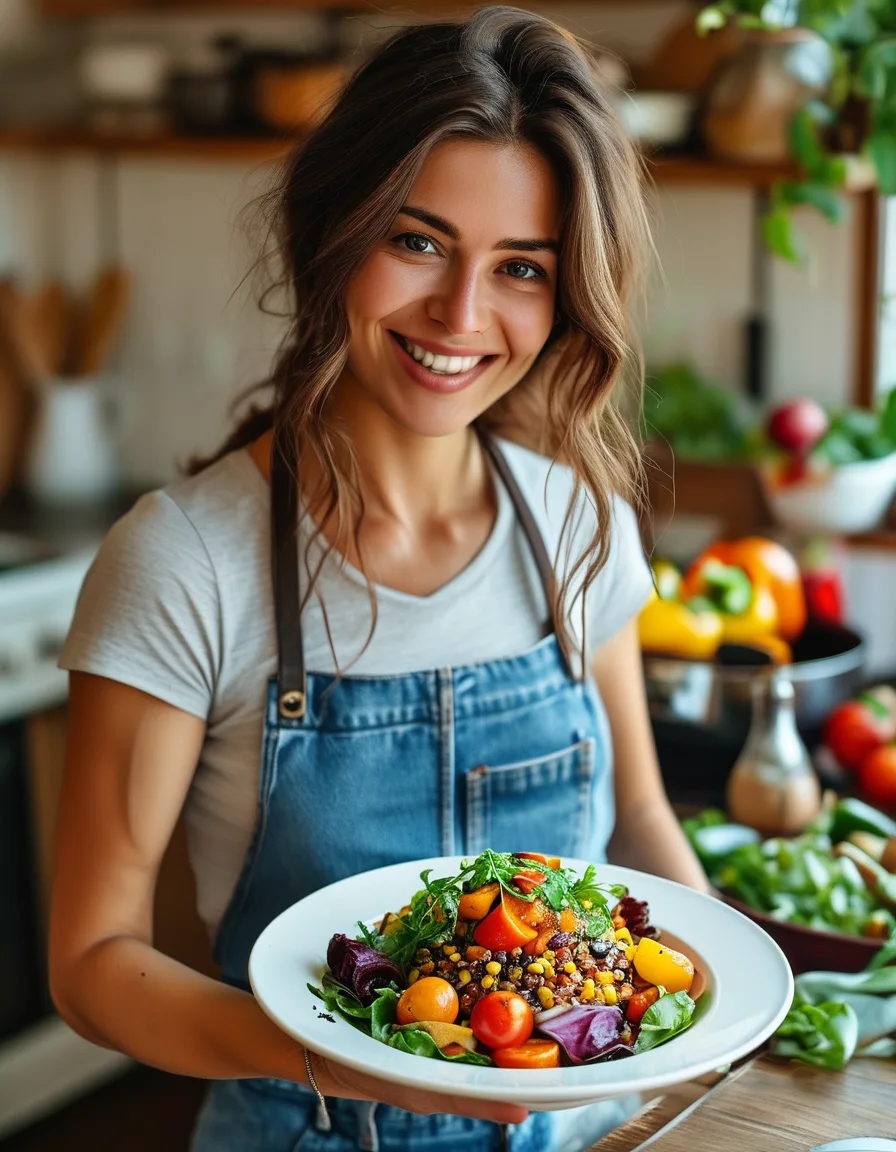

What actually makes a salad a “warm salad”?
The architecture is hot-on-cold, and the contrast between the two is the flavor of the whole genre.
Hot components go on top: roasted vegetables straight from a 425°F oven, warm grains, a seared piece of protein. They land on greens that are cool and sturdy, and the residual heat wilts them partway — glossy and softened, not collapsed.
Which greens survive this matters enormously. Kale, spinach, chard, and escarole are built for it; their structure holds up to heat and they actually improve. Butter lettuce, mesclun, and other delicate leaves surrender completely and turn to slime within a minute. If you love those, keep them cold and add them at the edge of the plate as a garnish.
The rule of thumb: if a green can handle being massaged or braised, it can handle a warm salad.
What’s the easiest way to build one on a weeknight?
The sheet pan is the engine of the entire genre.
Roast at 425°F until edges caramelize — usually 20 to 30 minutes depending on the vegetable. Three combinations that never fail:
- Sweet potato and chickpeas. The classic. Sweet, starchy, crisp-edged, and it delivers substance without a separate grain.
- Charred broccoli with lemon. Roast until the florets have real black spots, then hit it with lemon juice while it’s still hot.
- Caramelized onions over almost anything. Slow, sweet, and they make a plain bowl taste like it took an hour.
The batch trick: roast double at dinner tonight. Tomorrow’s warm salad is assembly plus one minute in a hot pan to bring the leftovers back. That single habit is what moves warm salads from “weekend project” to “Tuesday.”
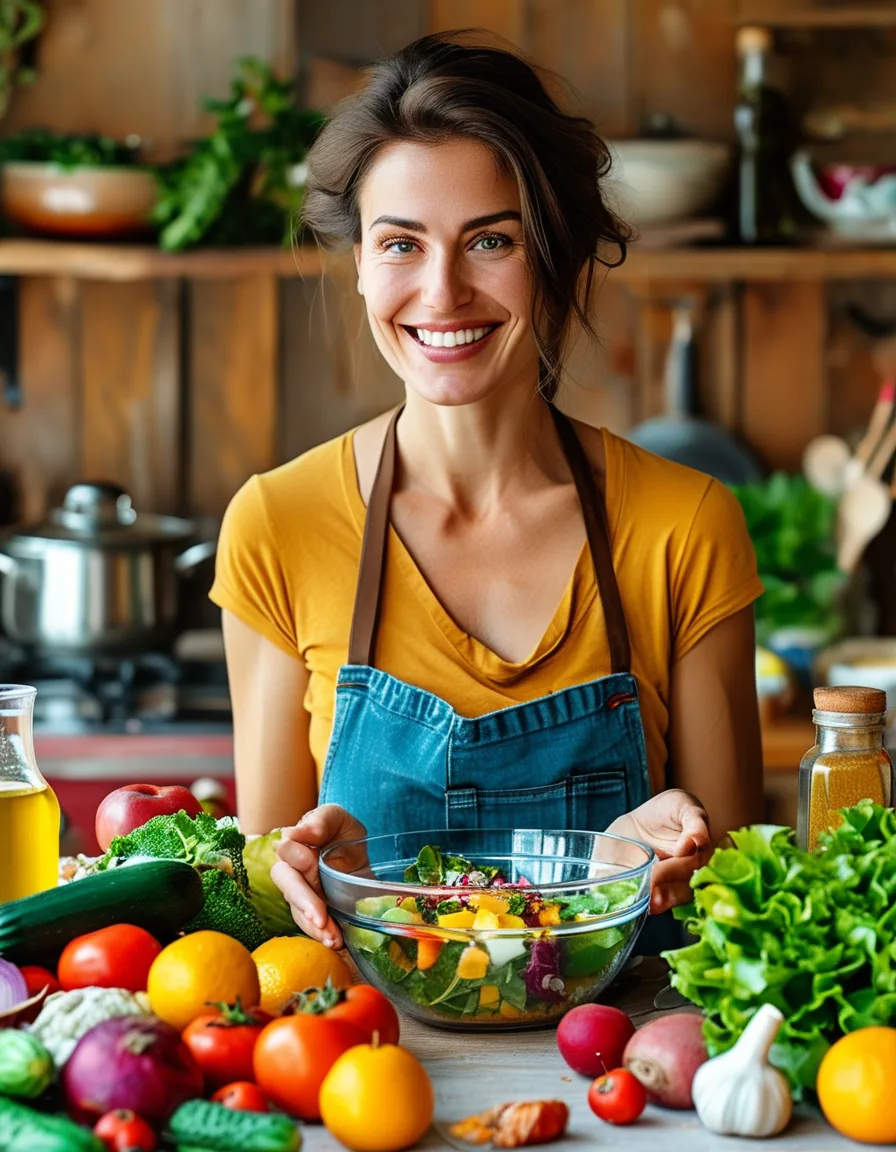
How do you wilt greens in a skillet?
This is the faster path — about five minutes total, one pan.
- Warm olive oil over medium heat, add sliced garlic, and let it go about 30 seconds until fragrant but not browned.
- Add sturdy greens and toss for roughly 90 seconds, until they’re glossy and just collapsed. Stop there. Another minute takes them from wilted to cooked, which is a different dish.
- Dress in the pan. This is the move. A warm vinaigrette — bacon fat and vinegar, or softened shallots with olive oil and lemon — coats the greens while they’re still hot and clings in a way a cold dressing never does.
Wilted salads eat like a proper side and assemble like a stir-fry, which is a useful thing to have in the rotation on nights when nothing else is happening.

How do you make a warm salad filling enough to be dinner?
Three additions, and it passes the exam.
A real protein. Seared chicken thighs, white beans, halloumi, salmon, or the best trick in the genre: a jammy or runny egg. A 6.5-minute egg breaks over the top and the yolk becomes a second dressing at no extra effort.
A grain for spine. Farro, quinoa, barley, or leftover rice. About ¾ cup cooked per person is enough to make the bowl register as a meal rather than a starter. Add it warm.
A crunch element added last. Toasted nuts, seeds, croutons, or crispy chickpeas — and last is the operative word. Anything crunchy added before the hot components goes soft immediately.
Comfort food and salad were never actually opposed. They just hadn’t shared a pan.
Myth vs Fact
Myth: Salads are inherently light meals. Fact: A warm salad with a grain, a protein, and a proper dressing is a full dinner. Composition determines the meal, not the word on the menu.
Myth: All greens work in a warm salad. Fact: Sturdy greens work. Delicate lettuces turn to slime in about sixty seconds under hot food.
Myth: Warm salads are a cold-weather dish. Fact: They work year-round. In summer, roast in the morning or use the skillet method and serve the hot component at room temperature over cold greens.
Myth: You need a separate dressing recipe. Fact: The pan does it. Warm vinaigrette made in the same skillet, or a runny egg yolk, covers most cases.
Myth: It’s more work than a regular salad. Fact: With batch-roasted vegetables in the fridge, it’s about four minutes of active work — often faster than washing and drying delicate lettuce.
FAQ
What greens hold up best in a warm salad?
Kale, spinach, Swiss chard, escarole, and radicchio all handle heat well — they wilt to a pleasant softness without collapsing. Kale in particular improves, since heat does the same thing massaging does. Avoid butter lettuce, mesclun mixes, and other delicate leaves under hot components; keep them cold and separate if you want them in the bowl.
Can you eat a warm salad the next day?
Yes, though it’s better to store the components separately. Keep roasted vegetables, grains, and greens in different containers and combine at serving, reheating the hot elements for about a minute. A fully assembled warm salad left overnight tends to go soggy, since the greens keep absorbing dressing and residual moisture.
What’s the best dressing for a warm salad?
Warm vinaigrettes work best, because they cling to hot components and hot greens far better than cold dressings do. The simplest version is olive oil, vinegar or lemon, and a softened shallot made in the same pan you wilted the greens in. A runny egg yolk also functions as a dressing on its own and requires no recipe at all.
TL;DR:
- Hot components over sturdy cool greens — the temperature contrast is the whole genre.
- Kale, spinach, chard, and escarole survive. Delicate lettuces don’t; keep those cold.
- The sheet pan at 425°F is the engine. Roast double and tomorrow’s version takes four minutes.
- The skillet method: garlic in oil, greens for 90 seconds, dress in the pan.
- To make it dinner: a protein, about ¾ cup cooked grain, and crunch added last.
- A 6.5-minute egg is the best trick here — the yolk doubles as dressing.
Keep Reading
This article is for general informational purposes only and is not medical advice. Always consult a qualified health professional for guidance specific to you.